Beverage Menu Design
A beverage menu is a different animal from a food menu. It is often opened on sitting down, consulted several times during the evening and used by the service as an advice tool. Anyone confusing the categories or swallowing the vintage does not lose the guest, they lose the mood at the table. We design beverage menus, wine lists and cocktail menus across Germany so they work for guest and sommelier alike, with materials that survive the bar and a hierarchy that does not make anyone search.
What sets a good beverage menu apart
The categories come first. Wine, beer, spirits, soft, cocktail. A house with wine as the main offer begins there; a cocktail bar reverses the order. Inside the wine category we follow the standard reading: sparkling, white, rosé, red, sweet. Per wine, producer, region, grape, vintage, glass and bottle price sit legibly next to each other. For cocktails we work with main spirit and three flavour notes in a maximum of eight words. Anyone needing to describe more designs past the experience at the glass.
Material and binding follow the service concept. A bar with a changing cocktail programme gets a leather sleeve or a clipboard binder with a replaceable 120 g natural paper insert. A winery restaurant often runs a bound menu plus a seasonal insert. For bars and pubs an oilcloth cover has proven itself, taking drops, glass marks and wipes. We recommend what works on site, not what looks good on a Pinterest mood board.
How the menu speaks with the brand
The beverage menu belongs in the same design system as food menu, restaurant stationery and chalkboard. If wine labels or a spirits label are being developed in parallel, we tune typography and colour so bottle and menu clearly belong to the same brand. A typical menu project lands between €1,200 and €4,500, depending on format, material and language versions. We name the range honestly before the proposal.
One menu, not three booklets
Wine, beer, spirits, soft and cocktails in a build that does not fall apart. Guests find their category without asking.
Wine region and vintage legible
For wine lists we set region, grape, vintage and producer so the sommelier does not have to search during the advice talk. Hierarchy as a tool, not as ornament.
Seasonal motion in the cocktail programme
If the menu shifts twice a year, the insert becomes replaceable and the outer sleeve stays. A season change takes two hours, not two weeks.
Robust at the bar
Materials that take drops, glass marks and service grips. Oilcloth, coated card, leather sleeve. We recommend what suits the bar, not what looks good in the mockup.
Selected work

Weingut Werner – Wine Labels
From vineyard to shelf — labels that translate the character and origin of a small winery into a visual language of its own.

Leni's Café – Branding
A café brand like a handwritten note: watercolour menu, packaging and type for a small café.
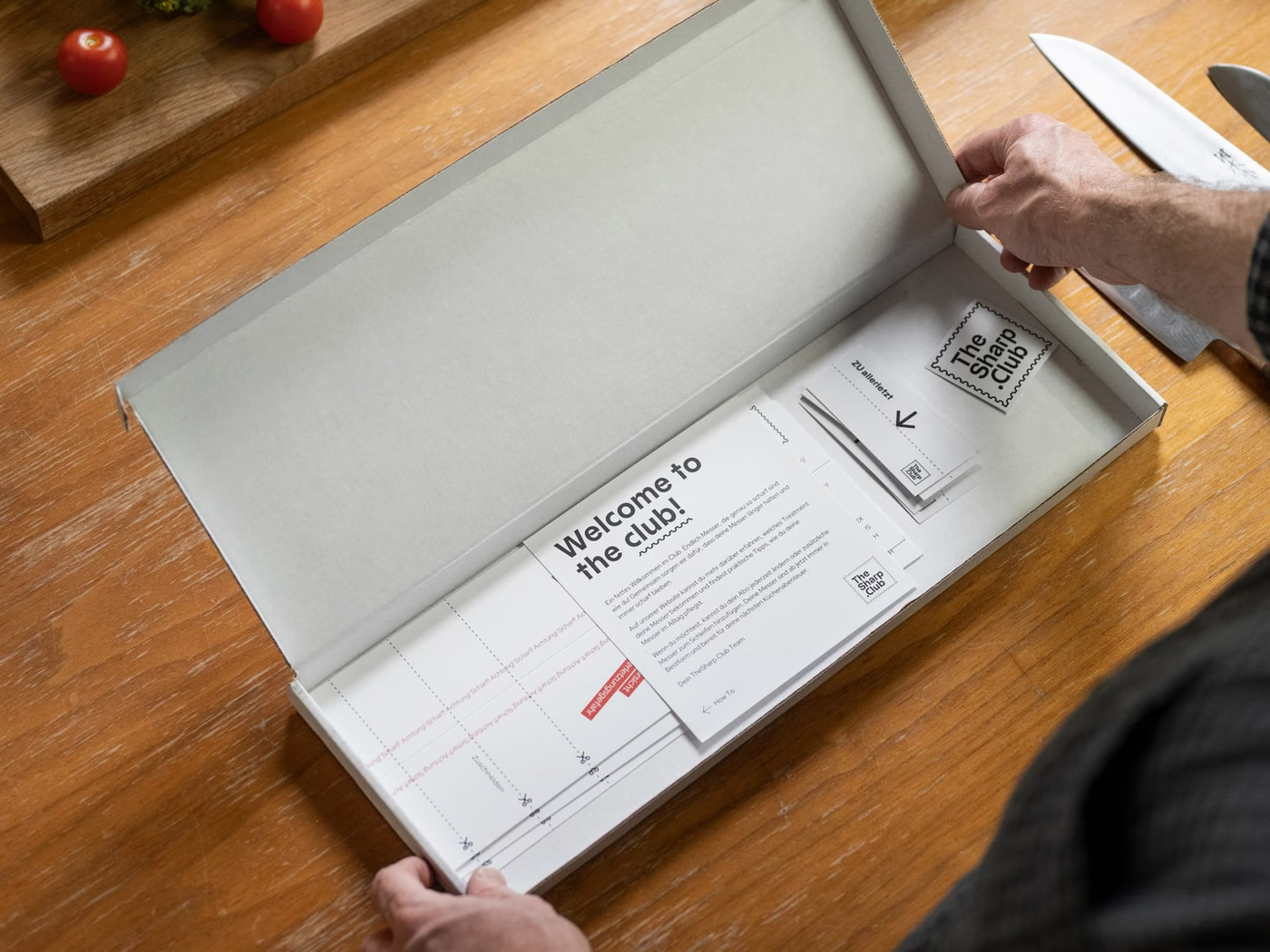
TheSharp.Club – Packaging Design
Packaging as ritual: labels, box and banderole for a blade club that celebrates craft.
Frequently asked
A standalone menu design with layout, print data and a material recommendation typically lands between €1,200 and €4,500. With leather sleeve, replaceable insert for seasonal motion or multiple language versions it moves into the upper range.
From briefing to proof, 3 to 6 weeks is realistic. If the brand already exists and the menu content is delivered finalised, it moves faster. If a [brand design](/en/leistungen/identitaet/markendesign) is being developed in parallel, we sequence the phases.
Ideally as siblings in the same design system. We build both menus from the same type family, colour palette and hierarchy. They can be opened separately or sit as a pair in a leather binder.
Yes. We build the menu as a template where vintage and price per wine are maintained in a table. The service team updates independently, without the design studio joining each time.
Yes. Bars, restaurants and wineries in every region of Germany are part of the normal project landscape. Briefings, layout rounds and proof reviews run entirely remote. Finished menus ship directly from printer or bindery.
Start a project?
Tell me briefly what it is about — in a 30-minute first conversation we clarify whether and how we can work together.