Brochure & Catalog Design
The brochure is one of the most underestimated formats in editorial design. It often gets briefed and processed quickly, with a layout recycled from the last PowerPoint deck. Yet it is one of the few formats inviting a recipient into an undivided attention phase. Anyone holding what they look at browses differently from someone scrolling. We build brochures and catalogs so that attention is held.
Which form fits which content
An image brochure is not a product catalog. A service folder is not a customer magazine. We clarify at the start which form the project actually has to carry. An image brochure lives on a few well-set statements, generous images and a clear rhythm. A product catalog needs searchability and comparability, clear tables and consistent image logic. A customer magazine follows the logic of a magazine with editorial structure. A service folder gets browsed in sales conversations and must carry a story in 60 seconds.
Concretely, we develop the table of contents and reading path before the layout. Which spreads exist, where is the climax, where the sober information chapter. Only when this architecture is in place do first layout sketches emerge. Typography with a clear hierarchy and a consistently pulled grid are the tools that make this reading path visible.
Production, material and print
A brochure is a haptic experience. Natural paper like Munken Pure or Olin Smooth feels different from coated art paper. A thread-bound book with open spine sits differently in the hand than a perfect-bound one. Coatings, embossings or die-cuts can carry a cover piece but are not ends in themselves. We choose materials by content: an architecture firm gets different paper than a fashion label, a foundation brochure gets bound differently than a product catalog for trade.
On request we manage the entire production: printer selection, material samples, press attendance, delivery planning. We work with printers we know, gather comparable quotes and secure colour fidelity at press. That saves the interface work for communication teams that cannot put two weeks of full-time work into print logistics. What we do not do: turn a Word doc into an InDesign template without questioning the content. A brochure needs structure first, then form.
Content before layout
We start with the question what the brochure actually has to deliver. Form comes after. No shell without an argument.
Image brochure, product catalog, service folder, every form has its logic
We know the differences between representational brochure, technical catalog, customer magazine and sales folder, and design accordingly.
Typographic discipline on the spread
A well-made brochure lives on the spread. We set grids, hierarchies and image placement so browsing gains rhythm.
Production with clear material choices
Binding, paper and finishing get chosen to fit the content. From fine natural paper with thread binding to robust perfect binding for high runs.
Selected work

Velvet Soul Street – Corporate Design
Streetwear energy in a stitched wordmark: identity, packaging and stationery for a label.
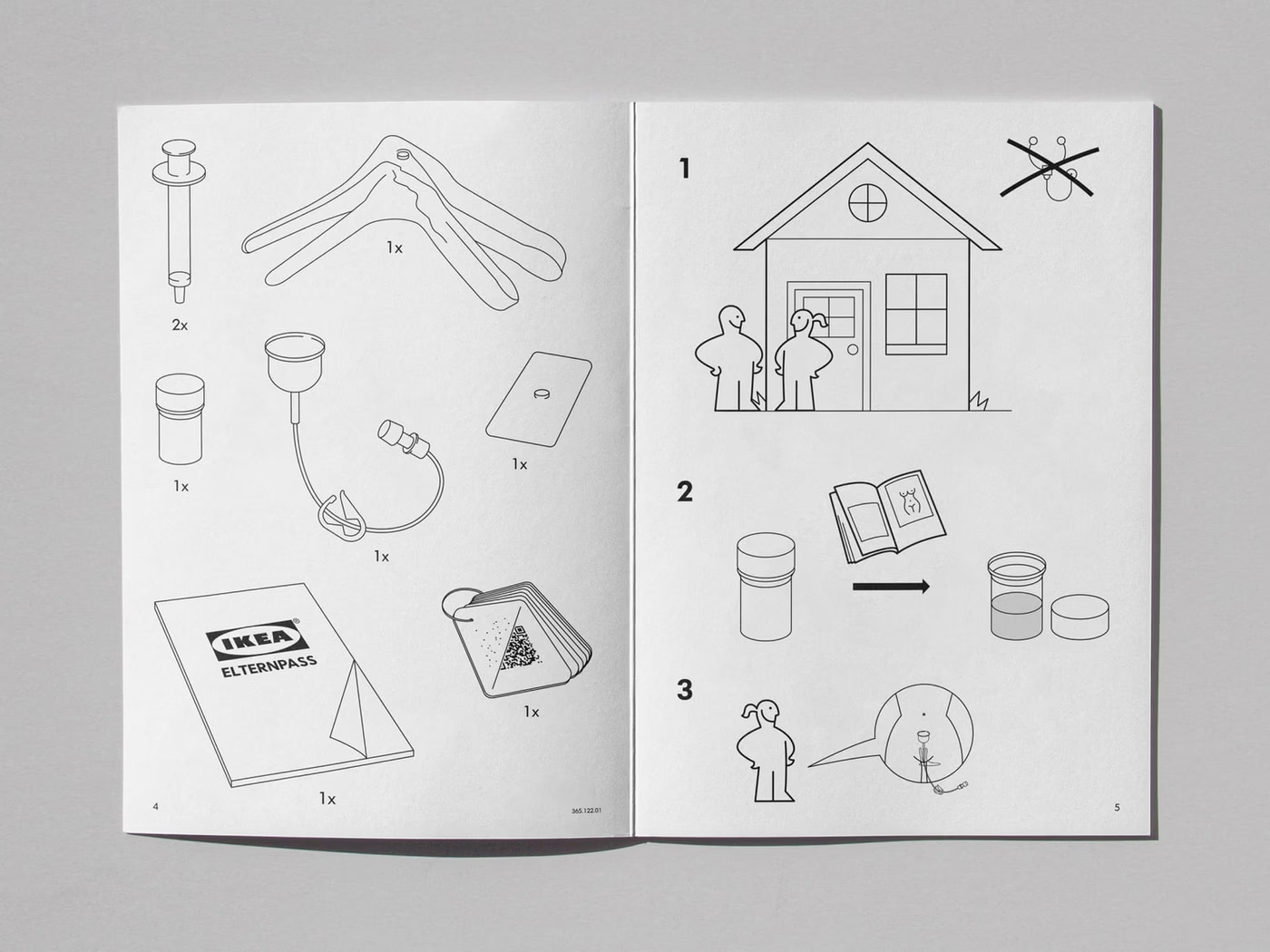
IKEA × AstraZeneca – Concept
Cross-brand concept: how would IKEA package a medical product? A conceptual brand experiment.

Leni's Café – Branding
A café brand like a handwritten note: watercolour menu, packaging and type for a small café.
Frequently asked
A considered 16 to 48-page brochure with concept, editorial design and artwork typically lands between €3,500 and €10,000. Larger catalogs with 80 to 200 pages and product listings start at €6,000 and up. Printing costs are separate.
A compact image brochure needs 4 to 8 weeks from briefing to print release. Larger catalogs with product shoots and multiple language versions are realistic in 8 to 16 weeks, depending on image material and review cycles.
On request, yes. We work with photographers we know and take care of concept, briefing and image selection. That saves the classic interface work where image delivery and layout come from different sources.
{ "For most image brochures we recommend both": "a print version with quality material as a physical representation piece, and a lean optimised PDF for email and website download. For product catalogs an additional digital flip version often makes sense." }
Yes. Concept, artwork and press supervision run fully remote. On-site visits for photo shoots or press proofs are planned as needed, across Germany.
Start a project?
Tell me briefly what it is about — in a 30-minute first conversation we clarify whether and how we can work together.