Branding for Tea Brands
From the single tea bag to the hot-foil loose-leaf tin. Tea brand branding across Germany that treats origin, varietal and brewing ritual as design language.
A tea brand does not sell leaves. It sells a ritual, a pause, an origin story. Whether it is black tea from Darjeeling or Sencha from the Japanese highlands, Oolong from a small manufactory or Rooibos on a supermarket shelf: on the shelf, tea sits between other teas, often forty varieties pressed together, and the customer decides based on packaging, varietal name and origin. Not based on a tasting. Strong brand design turns this tight space into a recognition effect that carries from the tea bag to the café counter.
Two shelves, two codes
Tea is bought in different worlds. In the organic market, the bag sits between Yogi Tea and Lebensbaum, both with years of market presence and broad distribution. In the specialty shop, the loose-leaf tin sits next to Paper & Tea and smaller tea manufactories with direct farm contact. Both shelves run on different codes, different price expectations, different reading habits.
A brand that wants to hold its ground in both needs a packaging system that stands against the established codes without copying them. And it needs a clear decision: does it want to communicate organic-certified, Demeter or Fair-Trade-certified? Or does it lean harder into direct import and origin story? The German Tea Association market portrait shows how tightly contested the German tea market is. That question is best settled in a brand workshop before the first logo concept exists.
Material decides, not just graphics
By the time you reach the loose-leaf tin, material takes over the communication. Aluminium with hot-foil stamping, blind embossing on the lid, spot varnish on the label. Or tinplate, kept simple, with letterpress embossing. A tin is opened, sniffed, weighed. That makes the material more important than the printed aroma word. We choose format and finishing with one question: how does the brewing ritual travel on the packaging?
For tea bags, food packaging is its own discipline. Pyramid bag or classic cup bag, compostable corn starch or aroma-dense pouch. We design so single bag and outer packaging share the same brand surface, the brewing instructions on the tin are legible, and the GS1-EAN sits cleanly integrated into the layout rather than as an afterthought in the corner. More on sustainable packaging choices on our sustainable packaging page and at Fairtrade Deutschland.
Range systems that scale
A tea brand starts with five varieties and wants to run thirty in three years. We build a varietal-field system with main brand, origin block and colour code that scales. The main brand stays the same everywhere. The varietal field carries Darjeeling, Assam, Ceylon, Gyokuro or Pu-Erh, each with its own colour world, without the shelf looking like thirty different brands.
This matters for logistics too. Barcodes, EAN assignment via GS1-Germany and label systems run cleanly when the system is conceived as system design from the start. That is label design with forward planning rather than format by format.
B2B in the range from the start
Tea brands with café and hotel distribution need more than consumer packaging. Pot folder, glass, menu card, shelf display. We plan these B2B touchpoints from the beginning so counter and shelf belong to the same brand family. The beverages and specialties hub shows how we have solved this for other brands in this space.
For brands with their own online shop, web design with varietal filter, brewing guide and subscription option comes into play. And for brands that want to anchor sustainability inside the range promise, a sustainability report works as a communication tool alongside the packaging.
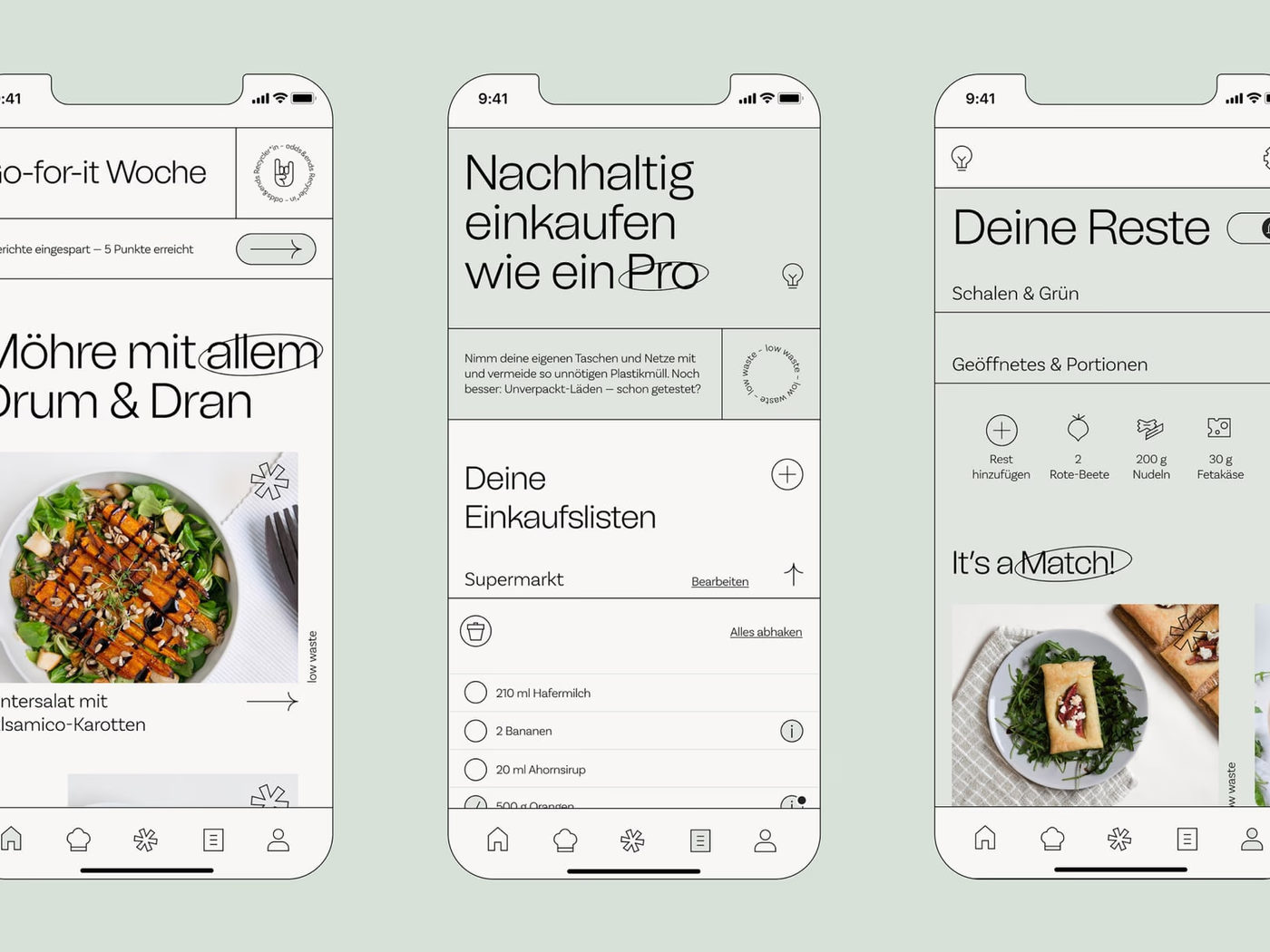
We share the Odds and Ends case as a reference when a brand needs to combine clear conviction with high range depth. Or browse our references for what has emerged for similarly positioned brands.
- 01
Packaging architecture for the full range
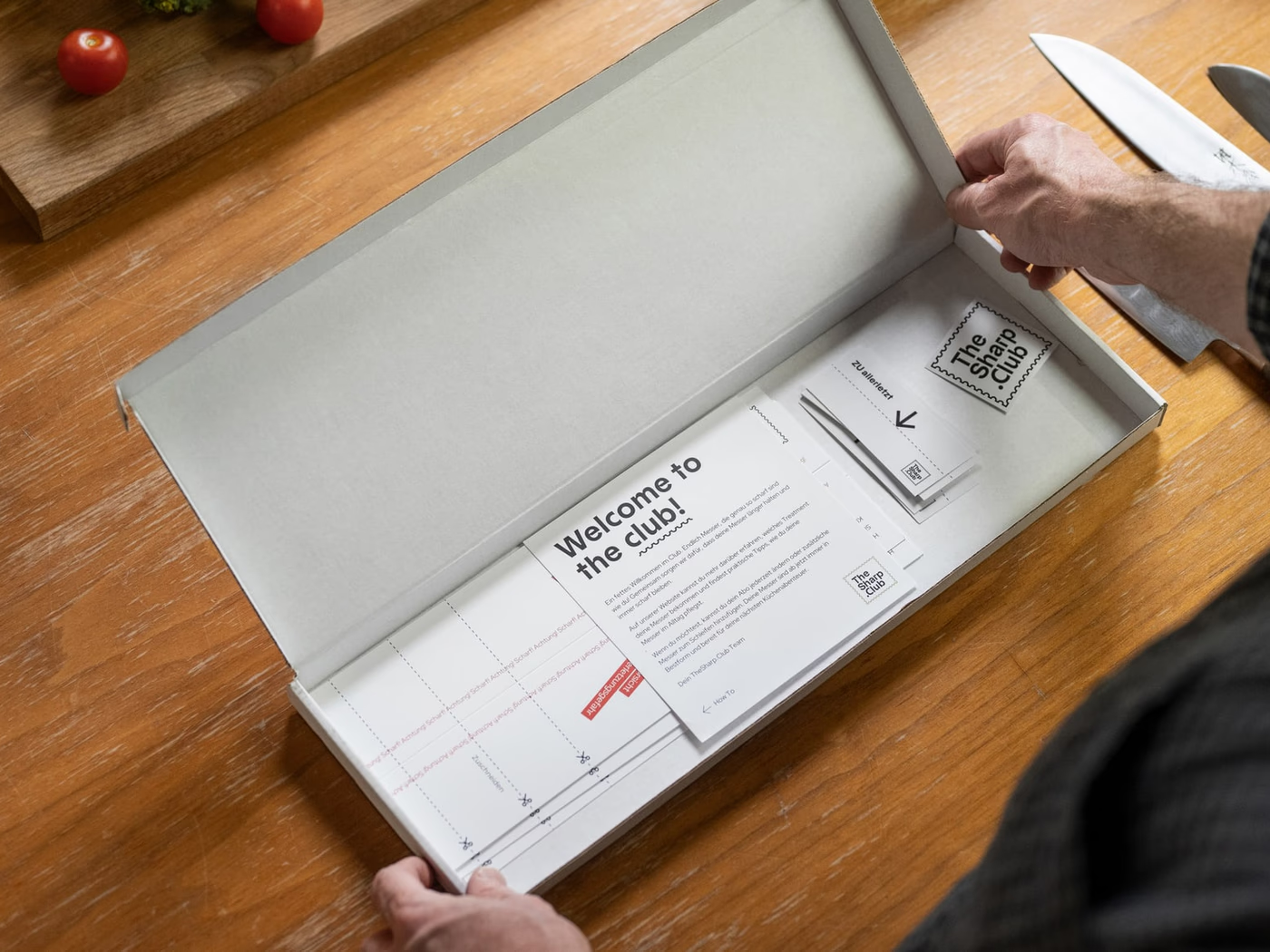
Bags, loose leaf, tins, samples, gift sets. We build a packaging architecture in which each format has its place and all of them clearly belong to the same brand, even when twenty more varieties come later.
- 02
Origin and varietal clearly legible
Darjeeling First Flush, Sencha Asamushi, Yunnan Black, organic herbs from Mecklenburg. We design the varietal note so origin, pluck and aroma sit in a clear hierarchy rather than reading like an aroma list.
- 03
Loose leaf as the premium anchor
Loose-leaf tea is the premium segment of the brand. We treat tin, sample and insert so the brewing ritual travels on the packaging, with brewing instructions on the tin instead of hidden small print on the back.
- 04
From the bag to the café counter
Tea brands sell to consumers, to cafés, to hotels. We connect bag, tin and bar applications so the tin and the counter belong to the same family.
Frequently asked
- What does branding for a tea brand cost?
- A complete tea branding with logo, visual identity, bag and tin system, gift set and a digital presence typically lands between €4,000 and €12,000. We clarify the scope in a first conversation, depending on the number of varieties and whether a loose-leaf range runs in parallel.
- How long does the project take through the first tin on the shelf?
- A brand build for a tea brand usually takes 6 to 10 weeks. Tin production and bag printing have lead times of 3 to 5 weeks, which we plan in parallel to the design work. Special formats like returnable glasses take longer and are planned separately.
- How does it work with a wide variety in the range?
- We build a system of main brand and varietal field. The main brand stays the same everywhere, the varietal field carries origin, aroma and colour code. This way you can run twenty varieties without the shelf looking like twenty different brands.
- Are compostable tea bags really realistic?
- Yes, in most cases. We pick bags from corn starch without microplastic, outer packaging from recycled fibre and natural-paper labels. For loose-leaf tins we recommend aluminium or tinplate with recyclability. We test with real samples before print so the additional cost is clear up front.
- Do you work across Germany?
- Yes. Tea brands from every region of Germany are part of the normal project portfolio, from organic herbal brands in the north to specialty tea brands with direct sourcing from Asia. Briefings, workshops and proofs run entirely remote; on-site visits for test brewing or product shoots are planned separately.
Start a project?
Tell me briefly what it is about — in a 30-minute first conversation we clarify whether and how we can work together.